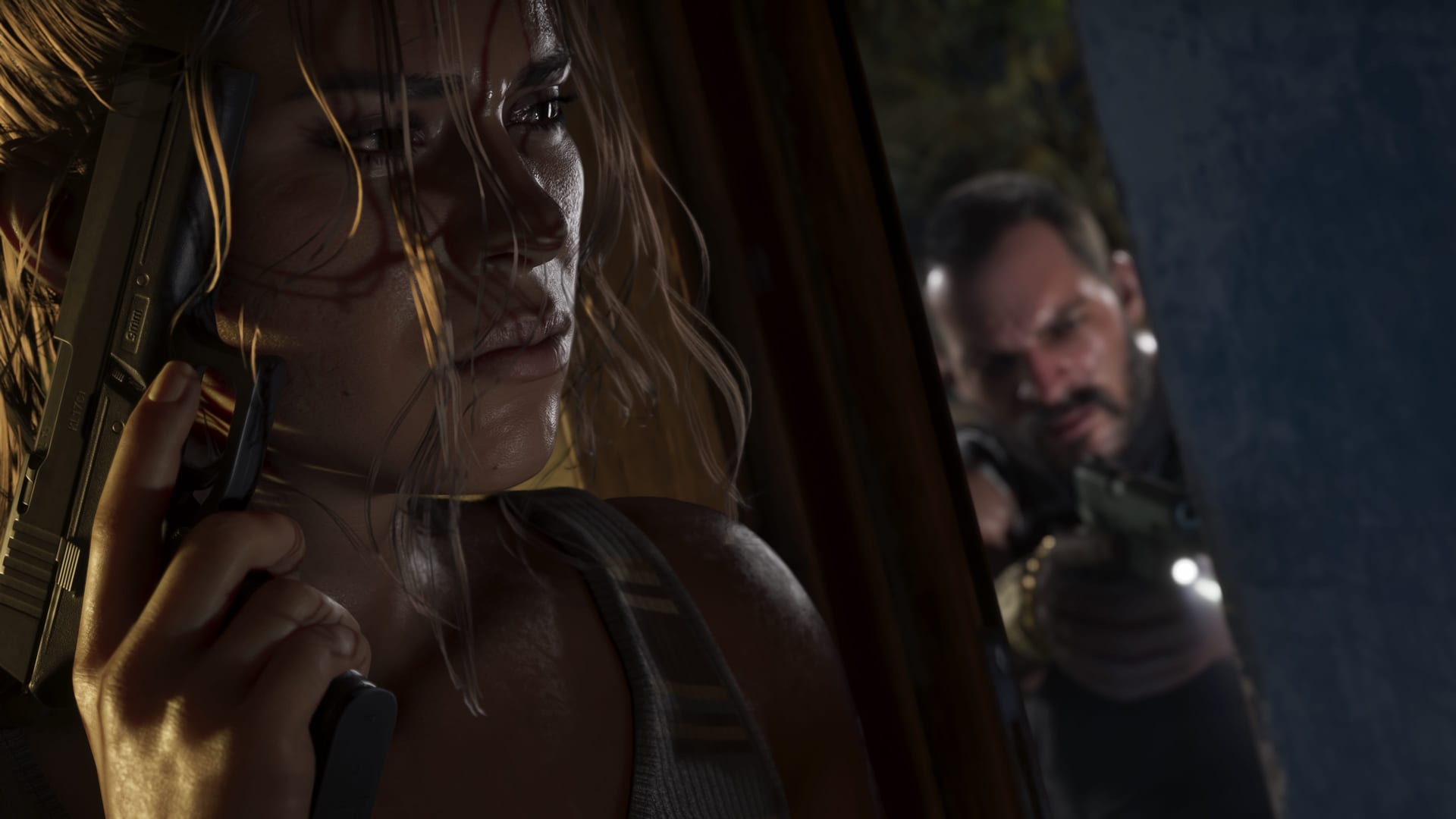
Six stars, and why that is the least interesting part
Official. The wanted meter in GTA 6 goes to six stars. That restores a ceiling the series carried through GTA IV and Chinatown Wars before GTA 5 cut it to five in 2013, and it was the headline most coverage led with when Rockstar published Grand Theft Auto VI: An Extended Look on August 27, 2026.
The star count is the easy story. The interesting one is that the meter now measures something different. In GTA 5, stars were a difficulty dial: more stars meant more police, better weapons, and a bigger search radius, and the system assumed the police already knew you were the culprit the instant you did anything. GTA 6 splits that assumption apart. The stars still describe how hard the response is — but a separate layer tracks how much the police actually know about who they are chasing, and those two things move independently.
That is the design change worth understanding before launch, because it changes what a good escape looks like. Our full rundown of everything the presentation confirmed is in the Extended Look breakdown; this page goes deep on the police system alone.
A crime has to be reported first
Official. Rockstar North co-studio head Rob Nelson has stated the core rule plainly in interviews accompanying the presentation: the wanted system requires that someone witness the crime, or that an alarm is set off, for it to be reported to police.
This is a genuine break with how GTA has worked for two decades. Punch someone on an empty street at night with no cameras and no witnesses, and there is nothing to report. The consequence is that stealth and timing become real inputs into the police system rather than flavour — where you commit a crime, at what hour, and who is standing nearby now determine whether the police enter the situation at all.
Crime severity still matters on top of that. Coverage of the presentation and Rockstar's accompanying interviews consistently describes violent crimes generating a higher wanted level than non-violent ones, so a mugging and a shooting do not produce the same response even when both are witnessed.
What the star colours mean
Credible report. Outlets covering the presentation describe the stars changing state to communicate what the police know, not just how many of them are coming:
| Star state | What it means |
|---|---|
| Hollow / outlined | Police know a crime happened and are responding to the scene, but have no identification of the culprit. This is the state you want to stay in. |
| White | An active wanted level exists, before a pursuit has properly locked on. |
| Solid red | Active pursuit. Officers know who they are looking for and are hunting you. |
The hollow star is the meaningful addition. It gives you a visible window between "the police have been called" and "the police are chasing you" — and that window is where all the decisions live. Walking away calmly during a hollow star is a completely different play from flooring it, and the HUD now tells you which situation you are in.
The identification icons under the stars
Credible report. Sitting beneath the star meter is a row of icons, each one a separate piece of information the police have on you. Outlets that broke down the presentation's HUD describe the following set:
- Person silhouette — police have your physical description on file. A mask worn during the crime is what stops this one from lighting up.
- Clothes hanger — police know what you are wearing.
- Car — police know your vehicle.
- Camera — CCTV footage of you exists. Worth noting that this can be established before you even start, which makes casing a location a real consideration.
- Two people — police know you were working with an accomplice, which is the state Jason and Lucia end up in when they commit a crime together.
Read as a group, these turn the wanted meter into a checklist of things you can invalidate. Each icon is a thread the police are pulling on, and each one you cut makes the description they are broadcasting less useful. That is a fundamentally different problem from GTA 5's, where the only variable was distance.
It also makes the two-protagonist structure mechanically load-bearing rather than narrative decoration. If the police are looking for a pair, being a pair is itself a liability — see our Jason and Lucia profile for how Rockstar has described the partnership working elsewhere in the game.
How you actually lose the cops
Credible report. The evasion options described in coverage of the presentation and Rockstar's interviews map directly onto the icon list:
- Change clothes. At a store, or from an outfit stashed in a vehicle's trunk. The trunk detail matters — it implies preparing a change of clothes before a job is a legitimate tactic.
- Change or ditch your vehicle. If the car icon is active, the car you are in is a beacon. This connects to the reworked vehicle-theft system, where an in-game phone app flags whether a target car is locked, alarmed, or tracked before you take it.
- Split up. If police are hunting a pair, separating Jason and Lucia degrades what they are searching for.
- Change your hairstyle. Reported as an option, though described as having limited effect on its own.
- Leave the scene early. Getting clear before the response escalates keeps the identification layer thin in the first place.
- Wait it out. Heat still decays over time, as it always has.
What none of these amount to is a single reliable trick. You are being asked to work out which parts of your description are burned and fix those specifically — swapping cars is useless if it is your face they have on camera, and a change of clothes does nothing if you are still driving the getaway vehicle.
The presentation's own chase sequence gave a sense of the escalation you are escaping: Jason and Lucia reached four stars and drew patrol cars, SUVs, and helicopters. Six stars is not something the footage dwelt on, so what the top of the meter actually sends after you is still an open question.
Escaping is not the end of it
Credible report. Losing an active pursuit does not fully clear the record. Reporting on the system describes the area where you committed a crime staying marked on the map, with the wanted level able to reactivate if you return there and draw attention to yourself again.
That gives Leonida a memory. Rob a store in Vice City's Ocean Beach and that neighbourhood stays hot for you afterwards — which, on a map Rockstar says is roughly twice the size of GTA 5's, is a meaningful pressure to keep moving. Our map size comparison covers the scale figures and the caveats behind them.
GTA 6 vs GTA 5 police, side by side
| GTA 5 | GTA 6 | |
|---|---|---|
| Maximum stars | Five | Six |
| How police learn of a crime | Effectively instant and omniscient | Requires a witness or an alarm |
| What police track | Your position | Your description: face, clothes, vehicle, CCTV, accomplice |
| How you escape | Break line of sight, leave the search radius, wait | Invalidate the description — change clothes, vehicle, split up — as well as leave |
| After you escape | Clear | Crime area stays flagged; returning can re-trigger |
| Disguises | Not a system | Masks prevent facial identification |
The honest summary: GTA 5's police were an obstacle, and GTA 6's are an investigation you are trying to stay ahead of. Whether that holds up over a full campaign is something nobody outside Rockstar can answer yet.
What is still unconfirmed
Plenty, and it is worth being specific about the gaps rather than filling them in:
- Heat decay timing. No numbers on how long a wanted level takes to fade, or how long a crime area stays flagged.
- What six stars actually deploys. The showcased chase topped out at four. Military involvement at six stars is speculation, not something Rockstar has shown.
- Difficulty tuning. Whether the identification layer makes police harder or easier to escape in practice is unknowable from a curated presentation.
- Online. Rockstar has said nothing about how any of this works in a future online component. Our online-at-launch explainer covers the current state of play there.
For the wider picture of which GTA 6 systems are officially confirmed versus circulating as unverified claims, see our confirmed-vs-leaked features tracker. The launch date is unchanged at November 19, 2026 — check the countdown for where that sits now.
Frequently asked questions
- How many wanted stars does GTA 6 have?
- Six. Rockstar's Extended Look presentation on August 27, 2026 showed a six-star wanted meter, restoring the ceiling that stood through GTA IV and Chinatown Wars before GTA 5 cut it to five in 2013.
- Do police in GTA 6 automatically know you committed a crime?
- No. Rockstar North co-studio head Rob Nelson has said a crime has to be witnessed by someone or set off an alarm before it is reported. If nobody sees it and nothing triggers, no wanted level is generated.
- What does a hollow or outlined wanted star mean in GTA 6?
- It means police know a crime happened and are responding to the scene, but they have no identification of who did it. Solid red stars indicate an active pursuit where officers are actively hunting you.
- How do you lose the cops in GTA 6?
- You break the description police are working from. Reported evasion options shown in the presentation and Rockstar's accompanying interviews include changing clothes, swapping or abandoning a recognised vehicle, splitting Jason and Lucia up if they are wanted as a pair, and leaving the area before the response escalates.
- What are the icons under the wanted stars in GTA 6?
- They show what police have on you. Outlets covering the Extended Look describe a person silhouette for your physical description, a clothes hanger for your outfit, a car for your vehicle, a camera for CCTV footage, and a two-person icon for police knowing you are working with an accomplice.
Source note: The six-star maximum and the witness-or-alarm requirement come from Rockstar's own Grand Theft Auto VI: An Extended Look presentation and Rob Nelson's accompanying interviews. Star colour states, the HUD icon set, and individual evasion options are described by outlets that analysed the presentation — GamesRadar+ and SVG among them — and are labeled as credible reports rather than official specifications. We do not link to leaked or stolen material; see our rumor policy.
More in Guides & Breakdowns
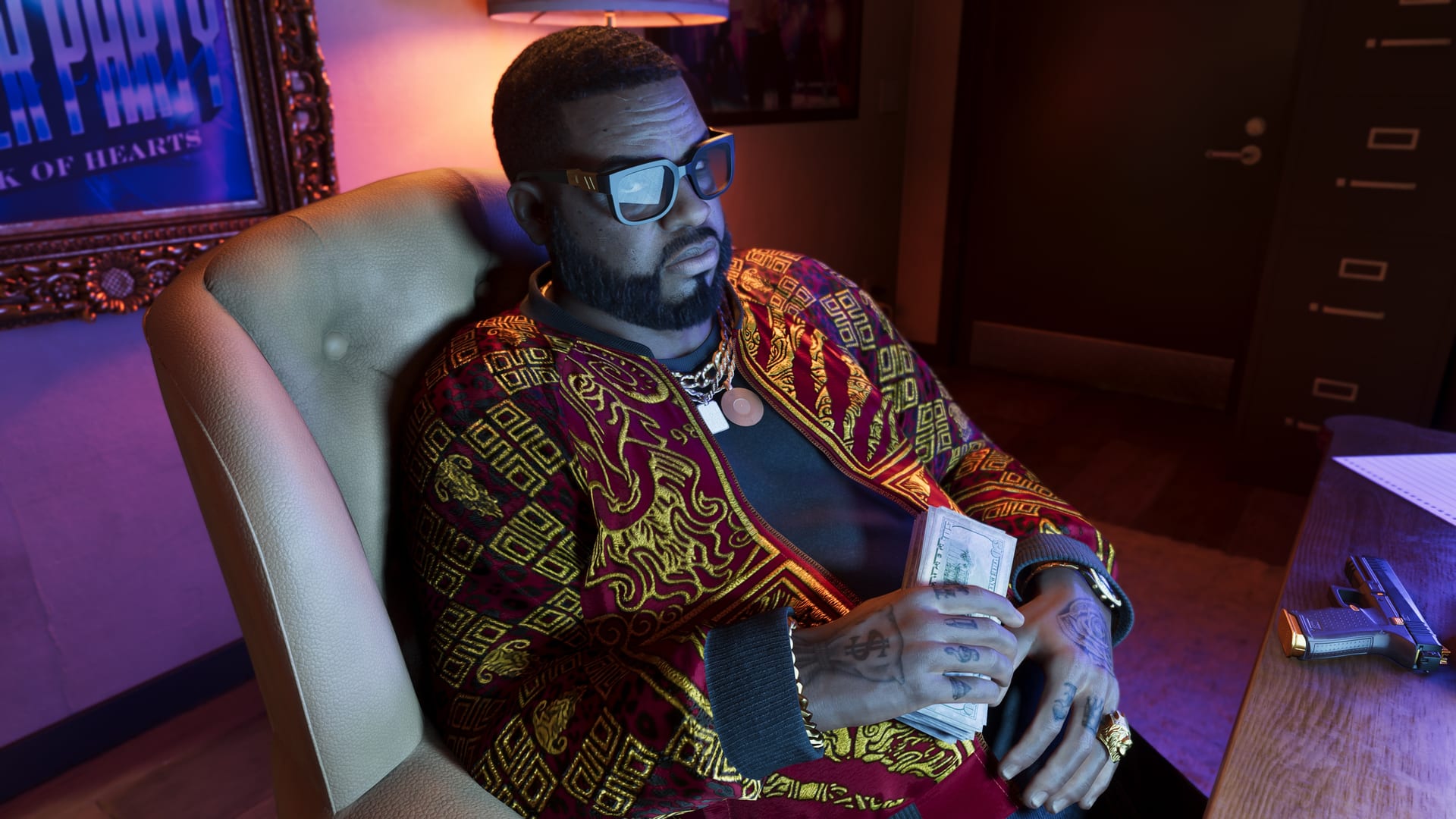
GTA 6 Extended Look: Everything Rockstar Confirmed
Rockstar's 26-minute gameplay presentation landed August 27, 2026. Every confirmed system: six-star wanted levels, character switching, body sim, and more.
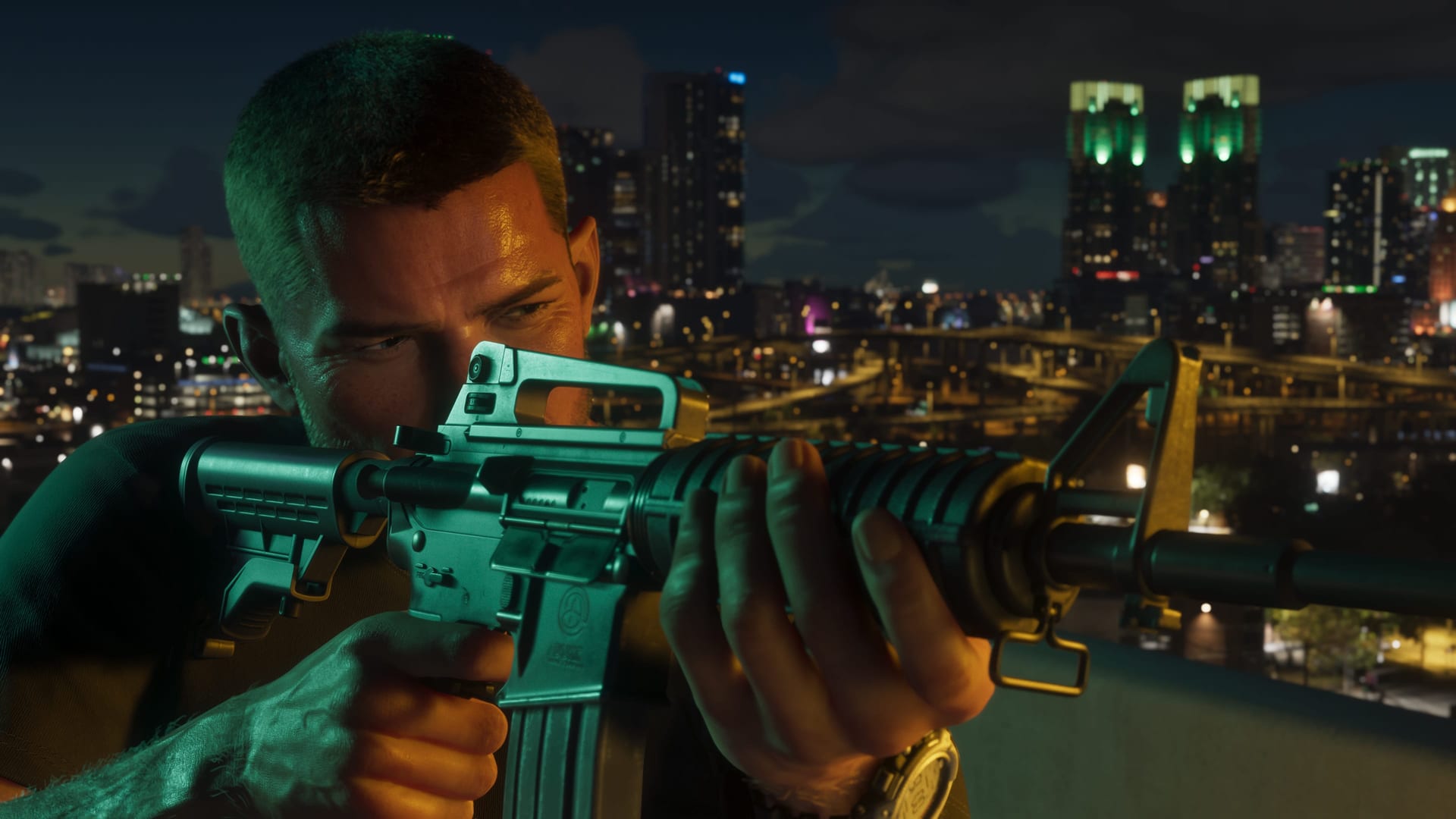
GTA 6 Gameplay Features: Confirmed Mechanics vs Leaked Retail-Listing Claims
Scan GTA 6 gameplay features by status: seven confirmed mechanics vs seven credible-but-unconfirmed retail-listing claims, plus fake-footage warnings.
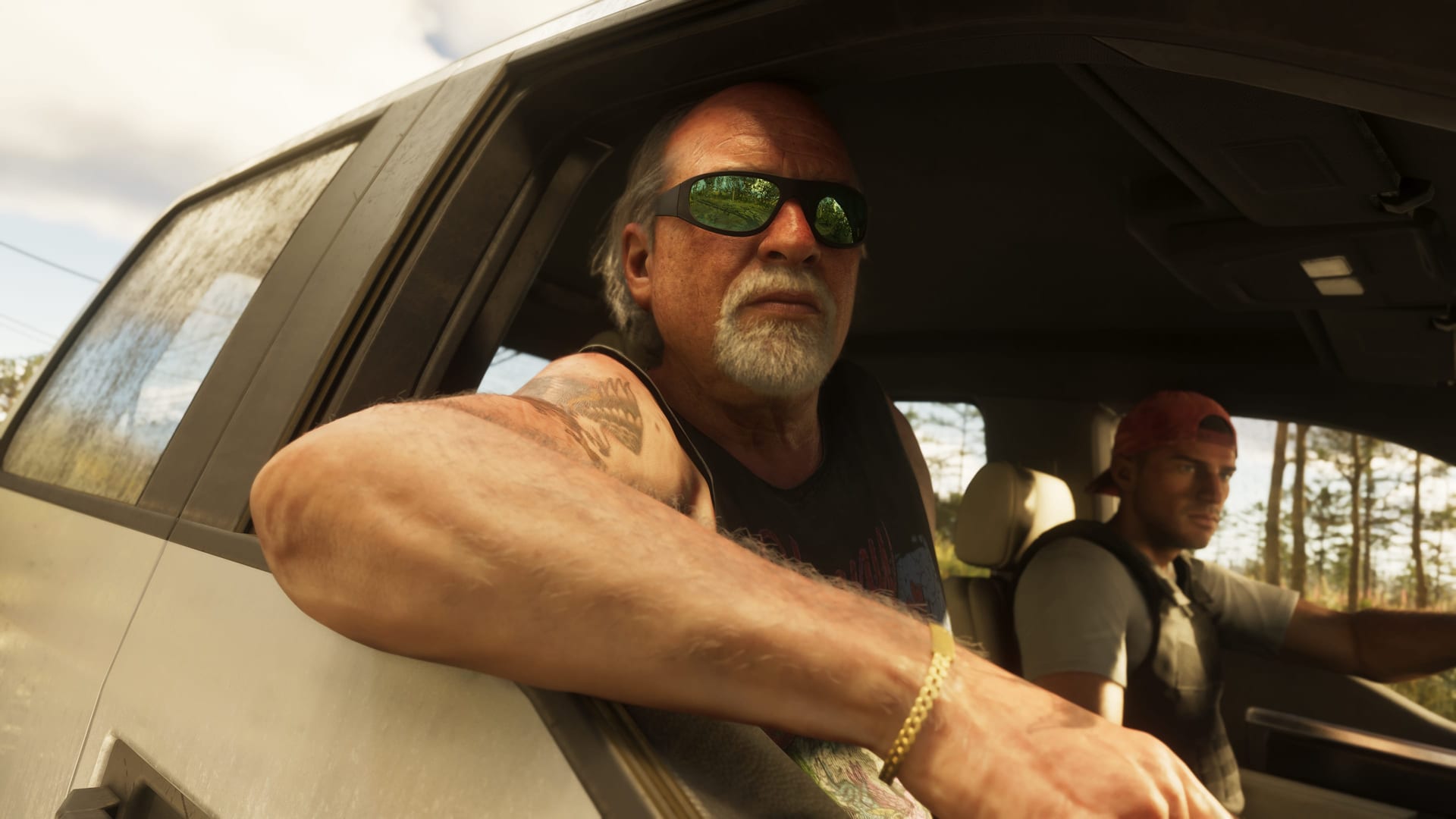
How Long Is GTA 6? Chapter Structure and Playtime
Get a straight answer on GTA 6 story length: chapters confirmed, Rob Nelson's 80-hour playthrough, and honest playtime comparisons.

GTA 6 Map: Leonida, Vice City, and Every Official Region
Every officially confirmed region of the Leonida map, from Vice City to the Keys, with what Rockstar has actually shown of each.